
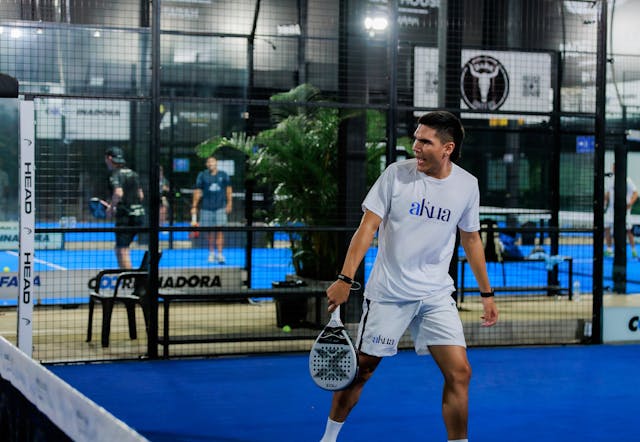
Opening and operating a padel venue involves a complex set of financial considerations that extend far beyond the initial excitement of building courts and launching a facility. While padel continues to grow globally, success in this sector depends heavily on disciplined financial planning, realistic forecasting, and ongoing operational control. A padel venue is not simply a sports asset; it is a commercial enterprise that must balance capital investment, operating costs, revenue generation, and long-term sustainability.
Understanding the financial structure of a padel venue is essential for investors, operators, and developers who want to avoid common pitfalls and build a viable business model.
Initial Capital Investment
The most visible financial component of a padel venue is the initial capital expenditure required to construct the facility. This includes court construction, site preparation, fencing, lighting systems, and supporting infrastructure such as clubhouses, bathrooms, and parking areas.
Padel courts themselves require specialised materials, including glass walls, steel framing, synthetic turf, and drainage systems. These costs can vary significantly depending on location, supplier choice, and design complexity. In addition to the courts, operators must also consider planning approvals, engineering assessments, and compliance requirements, all of which add to upfront costs.
Many projects underestimate the total capital required by focusing only on court construction. However, supporting infrastructure often plays a crucial role in customer experience and can significantly increase total development costs.
Site Selection and Land Costs
Land acquisition or leasing is one of the most significant financial variables in any padel venue project. In urban areas, land costs can be high, which places pressure on return on investment. In contrast, regional or suburban sites may offer more affordable options but could present challenges in terms of demand and accessibility.
The financial viability of a site depends not only on cost but also on utilisation potential. A cheaper site with low demand may underperform compared to a more expensive location with higher foot traffic and stronger community engagement.
Zoning regulations, land use approvals, and development restrictions can also affect costs and timelines. Delays in approvals can increase financing expenses and impact projected revenue start dates.
Operating Costs and Ongoing Expenses
Once a padel venue is operational, ongoing expenses become the central financial focus. These typically include staffing, utilities, maintenance, insurance, marketing, and administrative costs.
Lighting systems, in particular, can be a significant ongoing expense due to extended evening operating hours. Maintenance of courts, nets, and glass panels is also essential to preserve playing quality and avoid costly repairs in the long term.
Staffing costs vary depending on the size and structure of the venue. Some facilities operate with minimal staff, relying heavily on automation, while others employ coaches, reception staff, and event coordinators. Each model has different financial implications.
Utility costs such as electricity and water must also be factored into operating budgets, especially in venues with extensive lighting or climate-controlled environments.
Revenue Streams and Diversification
A successful padel venue typically relies on multiple revenue streams rather than a single source of income. Court bookings form the core revenue base, but additional streams can significantly improve financial stability.
Coaching programs, group lessons, and private training sessions provide consistent supplementary income. Social leagues, tournaments, and corporate events can also generate higher-margin revenue while increasing player engagement.
Retail sales, equipment rental, and food and beverage services may further contribute to overall profitability, depending on the venue’s size and structure. However, these additional services require careful planning to ensure they are financially viable and not distracting from core operations.
Diversification of revenue helps reduce risk and stabilise cash flow across seasonal fluctuations or changes in demand.
Pricing Strategy and Market Positioning
Pricing is one of the most important financial levers in a padel venue. It must balance affordability for players with the need to cover operating costs and achieve profitability.
Different pricing models can be used, including peak and off-peak rates, membership structures, and dynamic pricing based on demand. Each approach has financial implications and must be aligned with local market conditions.
Underpricing can lead to high utilisation but insufficient revenue to cover costs, while overpricing can reduce participation and limit growth. Successful venues typically adjust pricing based on utilisation data and customer behaviour rather than fixed assumptions.
Market positioning also influences pricing strategy. Premium venues with high-quality facilities may justify higher pricing, while community-focused venues may prioritise accessibility and volume.
Occupancy and Utilisation Rates
Occupancy rates are a critical financial metric for padel venues. High utilisation of courts during peak and off-peak hours directly impacts revenue potential.
Financial sustainability depends on achieving a balance between demand and capacity. Underutilised courts represent lost revenue opportunities, while overbooked facilities may struggle with customer satisfaction and retention.
Understanding usage patterns allows operators to optimise scheduling, adjust pricing, and introduce targeted promotions during low-demand periods. This data-driven approach is essential for maximising financial performance.
Return on Investment and Payback Period
Investors in padel venues typically evaluate success based on return on investment (ROI) and payback period. These metrics depend on both initial capital costs and ongoing profitability.
The payback period can vary widely depending on location, utilisation rates, and operational efficiency. Venues with strong demand and effective management may achieve faster returns, while those in less active markets may require longer timeframes to reach profitability.
It is important to recognise that padel venues are often long-term investments rather than short-term profit generators. Sustainable financial success is usually achieved through gradual growth and consistent reinvestment.
Financing and Funding Structures
Padel venues can be funded through a variety of financial structures, including private investment, bank loans, partnerships, or hybrid models. Each structure carries different levels of risk and financial obligation.
Debt financing introduces repayment requirements and interest costs, which can place pressure on early-stage cash flow. Equity investment reduces immediate financial pressure but may dilute ownership and control.
In some cases, public-private partnerships or community grants may support development, particularly in regional or recreationally focused projects. These arrangements can improve financial feasibility but often come with specific conditions or usage requirements.
Risk Management and Financial Stability
Financial risk is an inherent part of any sports venue operation. Risks may include lower-than-expected demand, rising operating costs, maintenance issues, or changes in market conditions.
Effective risk management involves conservative financial forecasting, maintaining cash reserves, and building flexible operational models that can adapt to changing demand. Diversifying revenue streams also reduces reliance on a single income source.
Insurance and legal compliance are additional financial considerations that help protect against unforeseen events such as property damage or liability claims.
Long-Term Financial Sustainability
Long-term success in padel venue operations depends on maintaining financial discipline while continuing to invest in facility improvements and customer experience.
Reinvestment into courts, lighting, technology, and amenities ensures that the venue remains competitive over time. Neglecting upgrades can lead to declining usage and reduced revenue.
Sustainable financial planning also involves regular review of pricing, costs, and demand trends. Venues that adapt to changing conditions are more likely to maintain profitability over the long term.
Conclusion
Padel venue financial considerations extend far beyond simple construction costs. They encompass land selection, capital investment, operational expenses, revenue diversification, pricing strategy, and long-term sustainability.
Successful venues are those that approach financial planning with discipline, data awareness, and realistic expectations. While padel continues to grow in popularity, profitability is not guaranteed and depends heavily on effective financial management.
In the end, a padel venue is both a sporting facility and a business enterprise. Its success is determined not only by the quality of its courts, but by the strength of its financial foundations and the consistency of its operational execution.