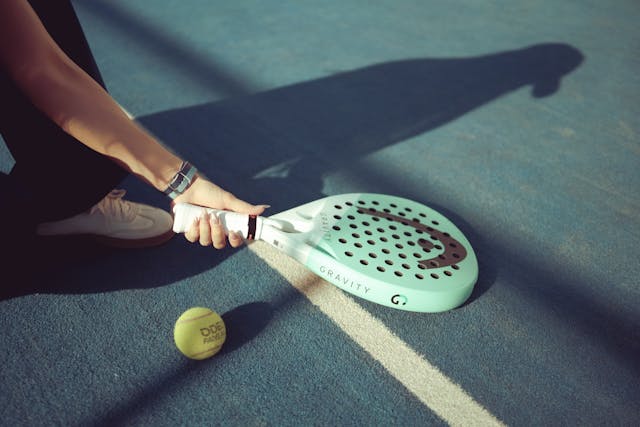
Padel is one of the fastest-growing racquet sports globally, and its expansion into Australia is still in an early but accelerating phase. While major cities such as Sydney, Melbourne, and Brisbane are often the first to adopt new sporting trends, regional Australia represents a significant long-term opportunity for padel development. The future of padel in these areas will depend on a combination of infrastructure investment, community engagement, population trends, and the ability to adapt the sport to local conditions.
Regional Australia has historically embraced sports that are social, accessible, and community-driven. Padel aligns well with these characteristics, which makes its potential growth outside metropolitan centres particularly strong.
Why Regional Australia Is a Strong Fit for Padel
One of the key reasons padel has strong potential in regional areas is its accessibility. The sport is easy to learn, does not require elite athletic conditioning, and is highly social due to its doubles format. These characteristics match the sporting culture of many regional communities, where participation and social connection often matter more than elite competition.
Many regional towns already have established sporting ecosystems built around tennis, netball, cricket, and rugby league. Padel can integrate into this landscape without directly competing with existing sports. Instead, it offers an additional recreational option that can be played year-round and appeals to a wide age range.
Another important factor is space availability. Regional areas typically have more affordable land compared to major cities, which makes it easier to build multi-court padel facilities with room for expansion, parking, and supporting amenities.
Infrastructure Challenges and Opportunities
Despite its potential, the expansion of padel in regional Australia will not happen automatically. Infrastructure is one of the most significant challenges. Unlike traditional sports that can use existing fields or courts with minimal adaptation, padel requires specific enclosed courts with glass walls and synthetic surfaces.
Initial construction costs can be a barrier, especially in smaller towns with limited private investment or council funding. However, once established, padel venues can operate efficiently due to relatively low staffing requirements and high court utilisation potential.
There is also an opportunity for hybrid sports precincts. Regional councils and developers may integrate padel courts into broader recreational hubs that include gyms, walking tracks, cafés, and existing sporting fields. This integrated approach can improve financial viability and community engagement.
The Role of Community Adoption
Community adoption will be one of the most important drivers of padel’s success in regional Australia. Unlike passive entertainment or individual fitness activities, padel relies heavily on repeated participation and social networks.
In regional towns, word-of-mouth plays a powerful role in shaping behaviour. If early adopters embrace the sport and form regular playing groups, growth can happen organically. Social leagues, beginner nights, and mixed-ability events will be essential in encouraging participation.
Schools, local sports clubs, and community organisations are also likely entry points for introducing padel. Once younger players are exposed to the sport, it can gradually become part of the local sporting culture.
The Importance of Multi-Use Facilities
For padel to succeed in regional areas, flexibility of use will be critical. Facilities that rely solely on casual court hire may struggle to maintain consistent demand, especially in smaller populations.
Multi-use sports facilities that incorporate padel alongside tennis courts, basketball courts, or fitness areas are more likely to succeed. This approach allows venues to attract a broader audience and maximise usage across different times of the day and week.
Regional venues may also benefit from hosting events that combine sport, recreation, and social activities. For example, weekend tournaments, community festivals, or school sports days can introduce padel to a wider audience while increasing venue visibility.
Economic Impact on Regional Communities
The introduction of padel facilities in regional Australia has the potential to generate economic benefits beyond the sport itself. Construction projects create local employment opportunities, while ongoing operations require staff for coaching, maintenance, and administration.
Additionally, successful padel venues can attract visitors from surrounding towns. This can have a flow-on effect for local businesses such as cafés, restaurants, accommodation providers, and retail outlets. In some cases, padel may even contribute to regional tourism if tournaments or events draw participants from outside the area.
While these impacts may be modest initially, they can grow over time as the sport becomes more established.
Technology and Digital Access
Digital tools will play a major role in shaping the future of padel in regional areas. Online booking systems, mobile apps, and automated scheduling platforms make it easier for players to access courts without requiring large administrative teams.
This is particularly important in regional locations where staffing resources may be limited. Efficient digital systems can help streamline operations and reduce barriers to participation.
Social media and digital marketing will also be important in building awareness. In many regional communities, digital communication is one of the fastest ways to spread new ideas and organise events. Venues that invest in strong online presence are likely to see faster adoption rates.
Coaching and Skill Development
Coaching will be essential in ensuring that padel grows sustainably in regional Australia. While the sport is easy to pick up, structured coaching helps new players develop confidence and enjoy the game more quickly.
In regional areas, there may initially be a shortage of qualified coaches. This creates both a challenge and an opportunity. Training local coaches can help build long-term capacity while also creating employment opportunities within the community.
Group coaching sessions and school programs will be particularly important in the early stages of development. These initiatives help introduce the sport to larger numbers of people at once, increasing the likelihood of sustained participation.
Barriers to Growth
Despite its strong potential, several barriers could slow padel’s expansion in regional Australia. Population density is one of the most obvious challenges. Smaller towns may not have enough regular players to support multiple courts unless the sport achieves strong local traction.
Transport distance between towns can also limit accessibility, making it harder to centralise regional padel hubs. Without sufficient participation, venues may struggle to maintain financial viability.
Another challenge is awareness. In many regional communities, padel is still relatively unknown compared to established sports. Significant investment in education, demonstration events, and introductory programs will be required to overcome this.
Long-Term Outlook
The long-term future of padel in regional Australia is likely to be gradual rather than immediate. Early growth will probably occur in larger regional centres before spreading to smaller towns.
Over time, as awareness increases and infrastructure costs become more manageable, padel could become a common feature of regional sporting facilities. Its social nature and accessibility make it particularly well suited to communities that value participation and connection.
If development is supported by smart planning, community involvement, and sustainable business models, padel has the potential to become a permanent part of the regional Australian sporting landscape.
Conclusion
The future of padel in regional Australia is promising but dependent on careful execution. The sport aligns well with the social and recreational preferences of regional communities, but success will rely on overcoming infrastructure, awareness, and participation challenges.
With the right combination of investment, community engagement, and operational planning, padel could become a significant addition to regional sports culture. Its growth will not only expand sporting options but also contribute to community connection, local economies, and active lifestyles across regional Australia.