
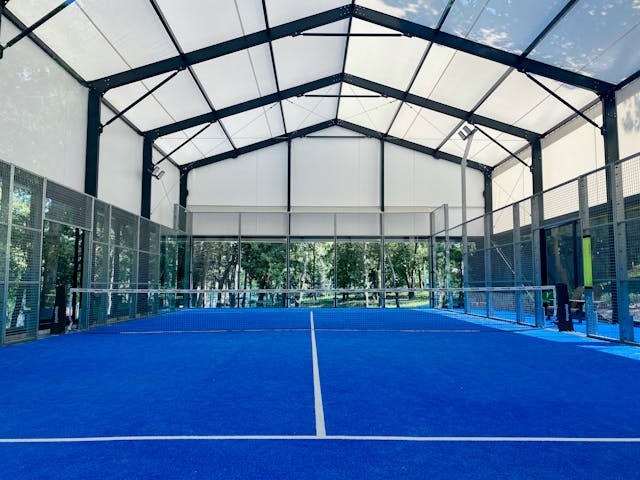
Padel has grown rapidly into one of the most popular racquet sports in many parts of the world. Its appeal comes from being easy to learn, highly social, and accessible to a wide range of ages and skill levels. As demand increases, more operators are investing in dedicated padel venues. However, not all facilities achieve long-term success. A successful padel venue is not just about building courts; it is about creating an experience that attracts players, keeps them returning, and generates sustainable business growth.
Location and Accessibility
One of the most important factors in a successful padel venue is location. A facility needs to be easy to reach for its target audience. Venues placed near residential suburbs, business districts, or active sporting communities tend to perform better because they reduce travel friction for regular players.
Accessibility also extends beyond geography. Parking availability, public transport options, and safe access points all contribute to whether players choose one venue over another. Even a high-quality facility can struggle if it is inconvenient to reach or difficult to navigate on arrival.
Quality of Courts and Facilities
The standard of the courts plays a central role in shaping the player experience. High-quality surfaces, well-maintained glass walls, consistent lighting, and proper drainage systems are all essential for reliable play. Players quickly notice inconsistencies, and poor court conditions can discourage repeat visits.
Beyond the courts themselves, supporting infrastructure is equally important. Clean toilets, comfortable seating areas, shaded rest zones, and well-designed entry points all contribute to the perception of professionalism. A successful venue treats the entire environment as part of the playing experience, not just the court surface.
Lighting and Weather Protection
Padel is often played during evenings and weekends, making lighting a critical factor. Properly designed lighting systems ensure visibility without glare or shadows, improving both safety and enjoyment. Poor lighting can significantly reduce playing quality and limit usable hours, directly impacting revenue potential.
Weather protection is another key consideration, especially in climates with strong sun or frequent rain. Covered or partially enclosed courts can extend operating hours and reduce cancellations. Venues that can maintain consistent play conditions regardless of weather have a clear competitive advantage.
Community Building and Social Experience
Padel is inherently social, often played in doubles and enjoyed in a relaxed environment. Successful venues recognise this and actively build a sense of community. This can include hosting social leagues, beginner sessions, club nights, and mixed-level tournaments.
A strong community encourages regular participation and word-of-mouth promotion. Players are more likely to return when they feel part of a welcoming and active environment rather than just paying for court time. Venues that foster friendships and recurring groups tend to develop stable, long-term customer bases.
Coaching and Player Development
Providing access to coaching is another defining feature of a successful padel venue. Many new players are drawn to padel because of its simplicity, but they still benefit greatly from structured learning. Offering beginner lessons, group clinics, and private coaching helps players improve faster and enjoy the game more.
Coaching services also create additional revenue streams for the venue. More importantly, they help retain new players who might otherwise lose interest early. A well-developed coaching program ensures a steady progression pathway from beginner to intermediate and advanced levels, keeping players engaged over time.
Booking Systems and Convenience
Modern players expect convenience in how they book and manage their games. A successful padel venue typically uses an efficient online booking system that allows users to reserve courts quickly, check availability in real time, and manage payments easily.
Complicated or outdated booking processes can discourage casual users, especially those who are new to the sport. The easier it is to book a court, the more frequently players will return. Automation also reduces administrative workload for staff, allowing them to focus on customer experience and operations.
Pricing Strategy and Value Perception
Pricing plays a delicate role in venue success. If prices are too high, new players may be discouraged. If they are too low, the business may struggle to remain sustainable. Successful venues find a balance that reflects both market demand and the quality of facilities offered.
Value perception is just as important as actual pricing. Players are more willing to pay higher rates if they feel they are receiving a premium experience, including well-maintained courts, good lighting, and excellent amenities. Flexible pricing models, such as off-peak discounts or membership packages, can also help maximise utilisation.
Events, Competitions, and Engagement
Regular events are a major driver of engagement. Tournaments, ladders, and social competitions keep players motivated and give them reasons to return frequently. These events also help build a competitive yet friendly atmosphere that strengthens community ties.
Special events such as themed nights, corporate bookings, or charity tournaments can introduce new audiences to the sport. A successful venue does not rely solely on casual bookings but actively creates structured opportunities for participation.
Staff and Customer Service
The quality of staff and customer service often determines whether a venue feels welcoming and professional. Friendly, knowledgeable staff who understand the sport can significantly enhance the player experience. They help with bookings, equipment questions, and general support, especially for beginners.
Good customer service also includes responsiveness to feedback. Successful venues listen to their players and make improvements based on real user experiences. This ongoing dialogue builds trust and loyalty over time.
Branding and Atmosphere
A padel venue is more than just a sports facility; it is also a brand. The visual identity, tone, and overall atmosphere contribute to how the venue is perceived. Clean design, consistent branding, and a well-thought-out layout all help create a strong impression.
Music, lighting ambience, and social spaces can also influence the mood of the venue. Some successful locations position themselves as energetic and competitive, while others focus on relaxed social play. What matters most is consistency and clarity in the experience being offered.
Sustainability and Long-Term Planning
Long-term success requires more than short-term popularity. Sustainable operations include efficient energy use, durable materials, and smart scheduling to maximise court usage. As padel continues to grow, venues that plan for expansion and adaptability will be better positioned for future demand.
Maintenance planning is also essential. Regular upkeep of courts, lighting systems, and facilities ensures that quality remains high over time. Neglecting maintenance can quickly erode a venue’s reputation.
Conclusion
A successful padel venue is built on far more than just courts. It is the combination of location, facility quality, community engagement, coaching, convenience, and customer experience that determines long-term success. Venues that understand the social nature of padel and invest in both infrastructure and relationships are the ones most likely to thrive.
As the sport continues to expand, competition among venues will increase. Those that focus on delivering a complete, enjoyable, and accessible experience will stand out and build loyal communities that sustain their growth for years to come.